Overpronation is common, but it is rarely the only reason a patient hurts. For the practical podiatrist, the real win is separating “what you see” (rearfoot eversion, midfoot collapse) from “
Category: Biomechanics
When you need a fast, repeatable snapshot of medial longitudinal arch motion, the Navicular Drop test earns its place in your standard exam. For the practical podiatry clinician, it is a simple mea
When your patient’s “ankle stiffness” does not match what you see on the table, the Lunge Test for the ankle joint gives you a fast, functional reality check. For podiatrists and foot care cl
A “quick” foot test only helps if you run it the same way every time. Jacks Test for Windlass mechanism in the foot is often treated as a simple hallux dorsiflexion check, but small variations
Missed alignment clues cost time, and they can quietly derail orthotic and rehab plans. Helbing’s sign in the foot is one of those small, fast observations that can sharpen your rearfoot asse
If you only have 10 minutes to understand why a patient’s pain keeps coming back, gait analysis is often the fastest way to find the “why” behind the “where.” Key Takeaways Understanding
If you have ever caught yourself thinking, “This patient’s foot looks pronated, but how do I document it clearly and repeatably?” the Foot Posture Index can solve that problem. For the Practi
Why the Six Determinants of Gait Matter for Running Economy Small kinematic changes can save big energy over thousands of steps. For runners, the classic Six Determinants of Gait describe how the b
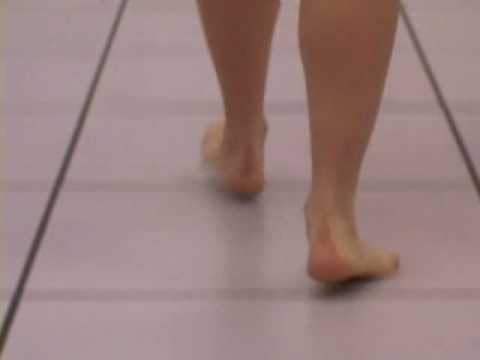
What is it?The abductory twist is a sudden medial or inward snap of the heel bone just has it comes off the ground It is a fairly common observation made during a gait analysis. What does the abduc
